





How Water Companies can Break the Cycle of Customer Debt
20th July 2026
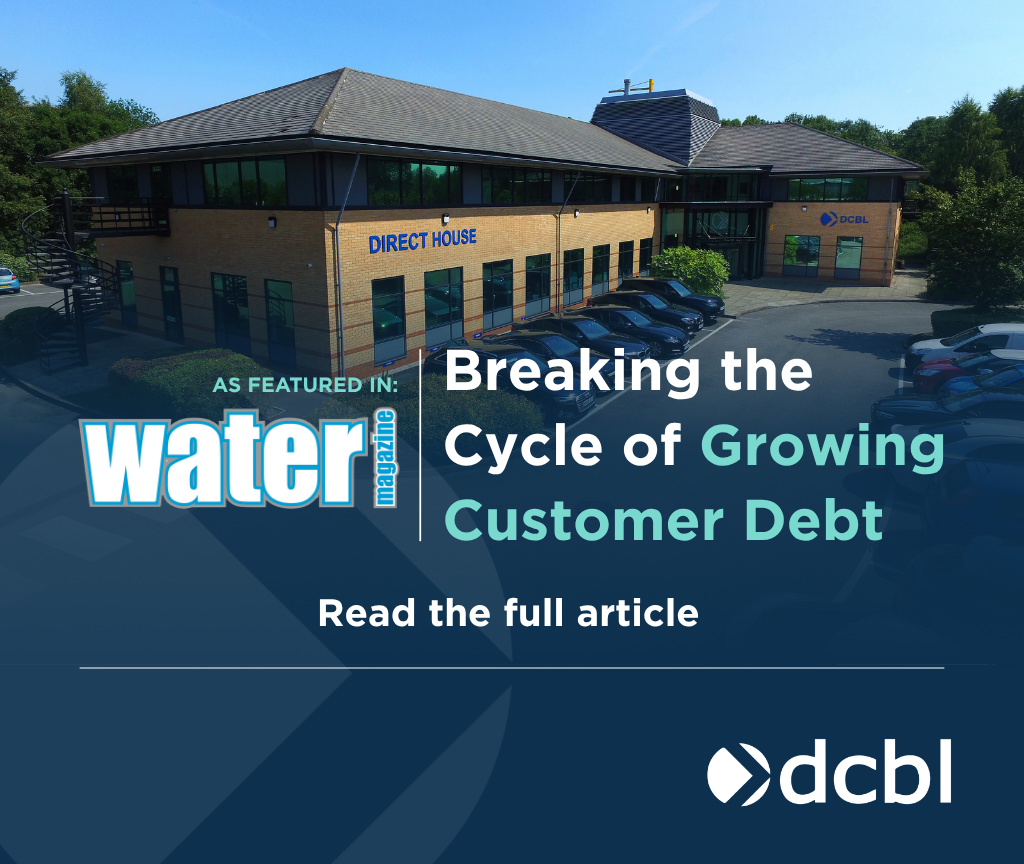
DCBL’s Managing Director, Jamie Gibson, has featured in the July 2026 edition of Water Magazine, one of the sector’s most widely read trade publications. Writing for the magazine’s Spotlight section, Jamie set out why effective, customer-first debt resolution has never been more important as growing numbers of households fall into arrears for the first time.
For many households, the cost-of-living crisis has shifted from a short-term squeeze into a long-term struggle. Ofwat’s ongoing cost of living research shows that nearly 3 in 10 bill payers feel worse off financially than they did a year ago, while almost 1 in 5 report struggling to pay their household bills most or all of the time. With Parliament and regulators scrutinising the sector closely, water companies need an approach to debt resolution that supports customers through financial uncertainty, rather than simply chasing arrears.
Every interaction now has to be fair, proportionate, and in line with Ofwat’s Paying Fair guidelines, while helping people in vulnerable circumstances navigate debt – often for the very first time.
Making it easier to talk about debt
Falling behind on bills is stressful, and for many people it is difficult to talk about. Traditional phone calls and letters can feel daunting, particularly for customers in arrears for the first time. Providing safe, confidential ways to communicate – such as online forms for Income & Expenditure (I&E) statements – allows customers to share their circumstances when they feel ready. That information can then be securely stored and shared with water companies and their partners, so that support is offered on a personalised, case-by-case basis.
Using technology to intervene early
Technology has a central role to play in early engagement. By spotting vulnerability indicators quickly, water companies can step in before cases escalate to enforcement, avoiding unnecessary distress. Enforcement should always be a last resort, considered only once every other option has been exhausted.
Digital tools, automation and AI can help companies identify customers at risk, streamline case management and reduce errors, all while maintaining compliance and transparency. At DCBL, we have implemented conversational AI designed specifically for regulated debt conversations. The technology can understand the tone and intent behind a customer’s messages, recognise vulnerability cues and support discussions around affordability.
Meeting customers on their own terms
Conversational AI can also handle routine queries and payments, freeing agents to focus on the complex cases where empathy and human judgement are essential. By integrating multi-channel communications – including WhatsApp, SMS and click-to-pay options – alongside traditional letters, customers can engage in the way that feels most comfortable to them.
Accessibility matters. Our own research shows that two-thirds (67%) of those in the lowest income bracket say the ability to message a support team about financial matters is either very or somewhat beneficial. Giving customers flexible communication options reduces the risk of abandoned calls and improves the likelihood of engagement, while easing the pressure on collections teams.
More than recovering money
Debt resolution is no longer solely about recovering money. Most water companies now offer social tariff schemes, so the focus is equally on making sure customers know what support is available. Partnerships with charities such as StepChange allow vulnerable customers to access tailored solutions, including Debt Management Plans and Debt Relief Orders. Through API integrations with these organisations, once a customer engages, water companies can help ensure they do not remain trapped in the debt cycle, while receiving the right support for their situation.
The case for early engagement
The earlier a person engages with their water company or debt resolution partner, the sooner matters can be resolved constructively. Technology, combined with human empathy, allows companies to respond quickly, ethically and at scale. It means customers receive the support they need, agents can work efficiently, and collections are handled in a way that is transparent and proportionate.
Redefining debt resolution in the water sector
The water sector now has a clear opportunity to redefine how debt is managed. By embracing early engagement, the intelligent use of technology and a customer-first mindset, companies can break the cycle of debt while strengthening trust, improving recovery performance and protecting vulnerable households. The right balance between innovation and empathy will set a new benchmark for responsible, effective debt resolution.
Jamie’s latest feature builds on his earlier article for Water Briefing on taking a technology-driven approach to debt resolution in the water sector. At DCBL, we remain committed to demonstrating that fairness, transparency and customer care sit at the heart of ethical debt resolution.
To find out more about DCBL’s approach to ethical, technology-led debt recovery, get in touch with our team.
