





Taking a technology-driven approach to debt resolution in the water sector
29th May 2026
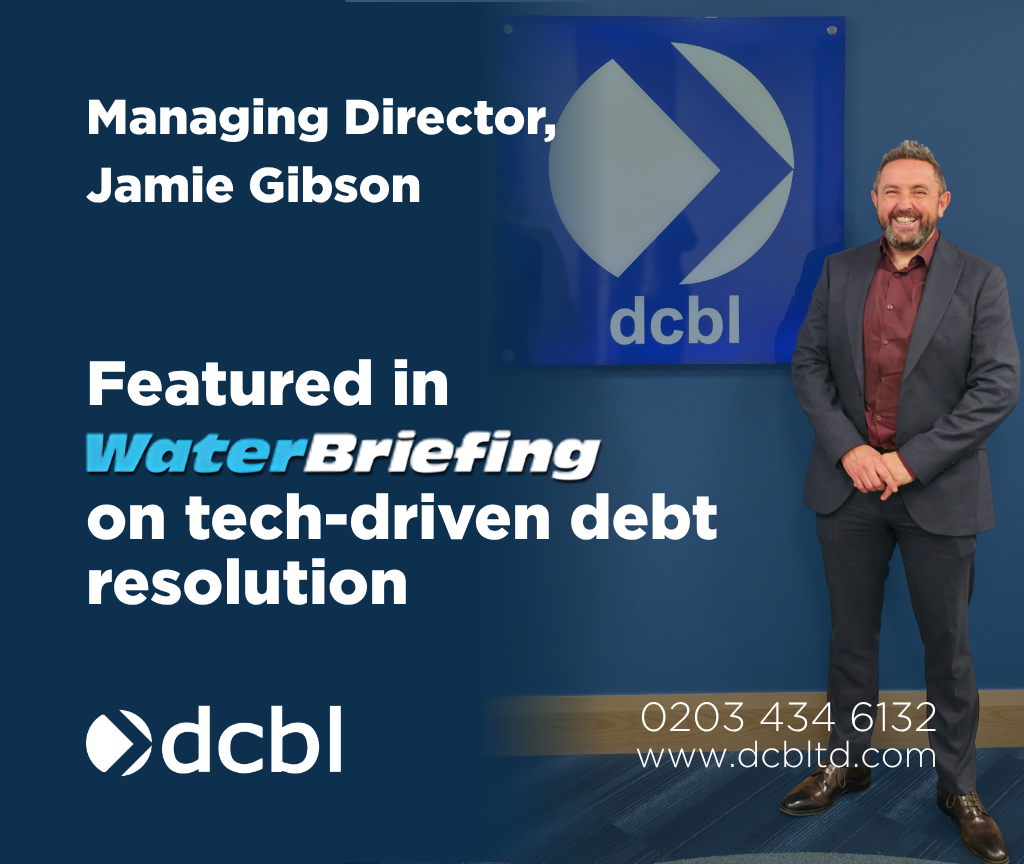
DCBL’s Managing Director, Jamie Gibson, has recently been featured in Water Briefing, a leading water sector trade publication covering the most pressing issues across the industry. Against increasing scrutiny and rising customer vulnerability, Jamie discussed why a technology-driven approach to debt resolution has never been more important.
Parliament is putting greater focus on how the water sector pursues debt from vulnerable households. A shift towards technology-led, ethically driven debt resolution is not only necessary to reduce enforcement levels but also to rebuild trust and ensure fair outcomes for customers.
Recent developments from the Environment, Food and Rural Affairs Committee (EFRA) call for greater transparency around enforcement practices. This has also brought the water sector into focus. From the use of bailiffs on low-value debts to applications for Suspended Committal Orders, water companies are under pressure to demonstrate that their actions are proportionate, compliant, and aligned with regulatory expectations such as Ofwat’s Paying Fair guidelines.
A changing financial outlook
The financial outlook for many households is worsening. Research indicates that nearly 3 in 10 bill payers feel financially worse off than they were a year ago, while almost 1 in 5 reports struggling to pay household bills most or all of the time. This growing pressure has expanded the pool of vulnerable customers, making it more important than ever for water companies to respond with sensitivity and understanding.
For many individuals, discussing financial hardship remains difficult. Traditional communication methods can act as barriers, preventing early engagement and prolonging the debt cycle. Providing alternative, more accessible channels, such as digital Income & Expenditure (I&E) forms, allows customers to share sensitive information in a way that feels safe and manageable. Technology also ensures that this data is securely handled and used to tailor support appropriately.
Technology supports early engagement
Automation and digital engagement tools enable earlier interaction with customers, significantly reducing the need for escalation. Enforcement should always be a last resort, and only considered once all other avenues have been explored. By leveraging technology to identify and engage customers sooner, water companies can ensure that individuals have every opportunity to seek support and agree on sustainable repayment solutions.
Practical steps for smarter debt resolution
Embedding technology into debt collection processes is a critical first step. Digital platforms can streamline case management, minimise manual errors, and provide a unified view of each customer’s journey. Artificial intelligence (AI) takes this a step further by identifying early indicators of vulnerability, allowing organisations to prioritise support for those who need it most. This combination of human expertise and intelligent systems enables faster, fairer, and more transparent decision-making.
At DCBL, we have implemented conversational AI designed specifically for regulated, debt-related interactions. This technology integrates automation, compliance controls, and a specialised language model capable of recognising intent, identifying vulnerability cues, and supporting affordability discussions. By layering in digital channels such as SMS, WhatsApp, and click-to-pay options alongside our established letter-based approach, we are bridging the gap between traditional and modern communication.
Our research shows that 67% of individuals in the lowest income bracket find the ability to message a support team about financial matters beneficial. This highlights the growing importance of accessible, flexible communication channels in supporting those under financial strain.
Balancing automation with empathy
While technology is transformative, it must never replace empathy. AI can efficiently handle routine queries and transactions, freeing up trained agents to focus on complex, sensitive cases that require a human touch. For example, customers who abandon calls can receive follow-up SMS messages inviting them to continue the conversation digitally. This not only reduces lost contact but also improves the overall customer experience. The result is a more responsive, respectful approach that supports vulnerable individuals while easing operational pressures on collections teams.
Driving efficiency in collections
Integrating conversational AI into existing debt resolution frameworks allows for rapid deployment without compromising compliance or reporting standards. Operationally, this enables agents to manage multiple digital conversations simultaneously, supported by AI-generated summaries, while significantly reducing call abandonment rates. Crucially, this approach increases early engagement, helping to reduce escalation and its associated costs.
Delivering measurable impact with technology
Technology-led debt resolution delivers tangible financial benefits, as well as improving the customer journey. AI-driven campaigns increase early engagement, resolve large volumes of arrears without the need for escalation, and reduce inbound calls related to failed payments. They also help reactivate dormant accounts, unlocking revenue that may otherwise have been written off.
These outcomes demonstrate how ethical, technology-enabled approaches can deliver sustainable, scalable results.
Empowering customers and protecting those that are most vulnerable
Perhaps the most significant impact of this transformation is the way it reshapes customer engagement. By offering accessible, multi-channel communication and tailoring interactions to individual circumstances, water companies can create a more supportive and inclusive experience.
Many providers now offer social tariffs and work alongside debt charities to ensure customers are aware of available support. Through integrated systems and early engagement, individuals can access structured solutions such as Debt Management Plans or Debt Relief Orders, helping them break free from the cycle of debt.
A debt resolution blueprint for the future
DCBL’s experience demonstrates how traditional, high-volume collections can evolve into a digitally driven, customer-centric model without sacrificing compliance or performance. By embedding AI, automation, and multi-channel engagement into their operations, organisations can protect vulnerable customers, improve recovery rates, and reduce operational strain.
The water sector now has a clear opportunity to rethink its approach to debt resolution. By prioritising early engagement, using technology intelligently, and ensuring enforcement remains proportionate, companies can move from reactive escalation to proactive support. Those that strike this balance will not only enhance performance but also play a vital role in rebuilding trust.
DCBL is determined to demonstrate that fairness, transparency, and customer care are at the heart of our ethical debt collection process.
